Introduction
The evolution of home coffee preparation has transformed significantly over the past two decades. Where coffee drinkers once had to choose between the ritual of brewing a full pot or settling for lukewarm reheated coffee, technology has introduced practical alternatives that align with contemporary lifestyles. Single-serve coffee makers have become increasingly common in households, workplaces, and dorm rooms, addressing a fundamental shift in how people approach their daily caffeine consumption.
The appeal of these machines stems from their straightforward promise: deliver a fresh cup of coffee in minutes without waste or excessive preparation. For busy mornings, remote work setups, or households where people have varying coffee schedules, this convenience can be genuinely valuable. Understanding what these machines offer—and their practical limitations—helps consumers make informed decisions about whether this brewing method suits their needs.
This article explores single-serve brewing technology, examines the features and capabilities of one particular model, and discusses how this type of machine fits into broader coffee preparation habits.
The Single-Serve Coffee Maker Landscape
Before focusing on specific features, it’s helpful to understand the broader category of single-serve coffee makers and where they fit within coffee preparation options.
Single-serve machines emerged from the observation that many households contain people with different coffee preferences, schedules, and consumption habits. Traditional coffee makers often produce more coffee than individuals need, leading to waste or the unpleasant task of reheating. Single-serve systems aim to eliminate these inefficiencies by brewing individual cups on demand.
The category encompasses several technological approaches. Some systems use proprietary pods, while others work with universal filters or reusable grounds baskets. Each approach carries different considerations regarding convenience, environmental impact, and cost per serving. The proliferation of these machines has made single-serve brewing mainstream enough that most coffee drinkers encounter these systems regularly, whether at home, in offices, or while traveling.
Key Features of Compact Single-Serve Systems
Modern compact single-serve coffee makers typically include certain standard features, though specific implementations vary considerably. Understanding these elements helps clarify what functionality exists and how different models handle similar brewing tasks.
Brew Size Flexibility
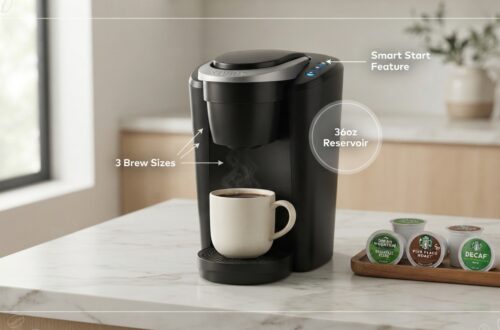
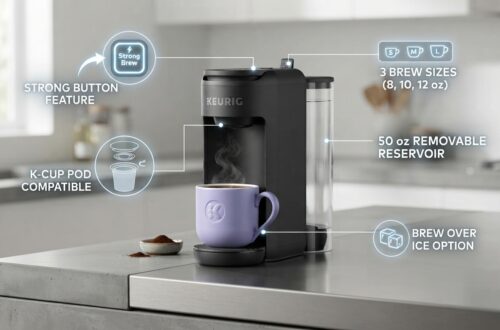
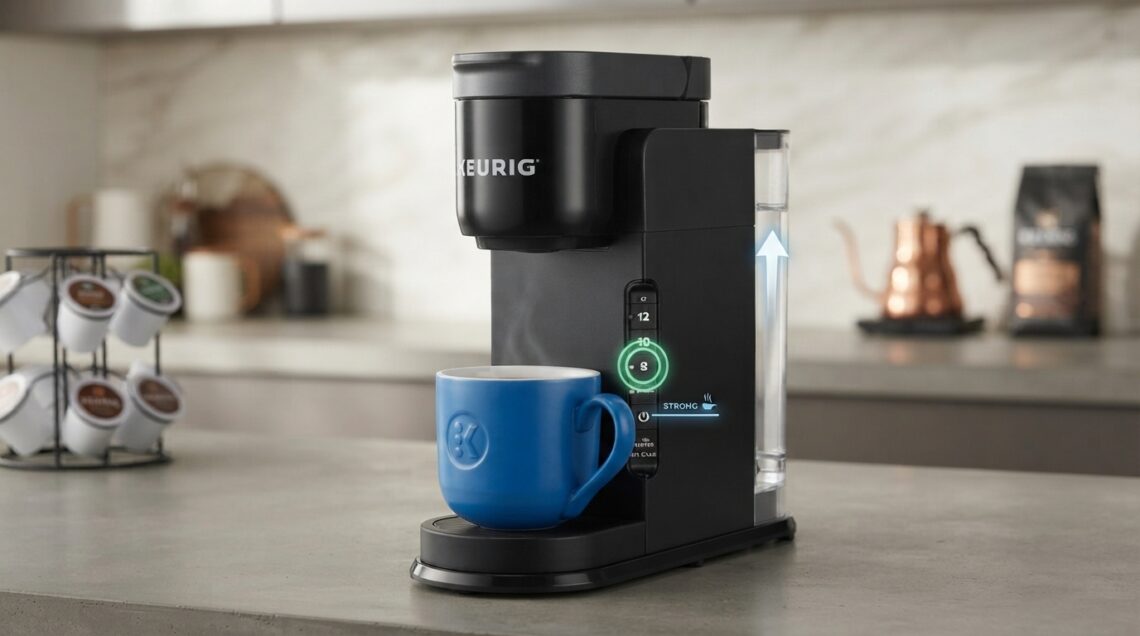
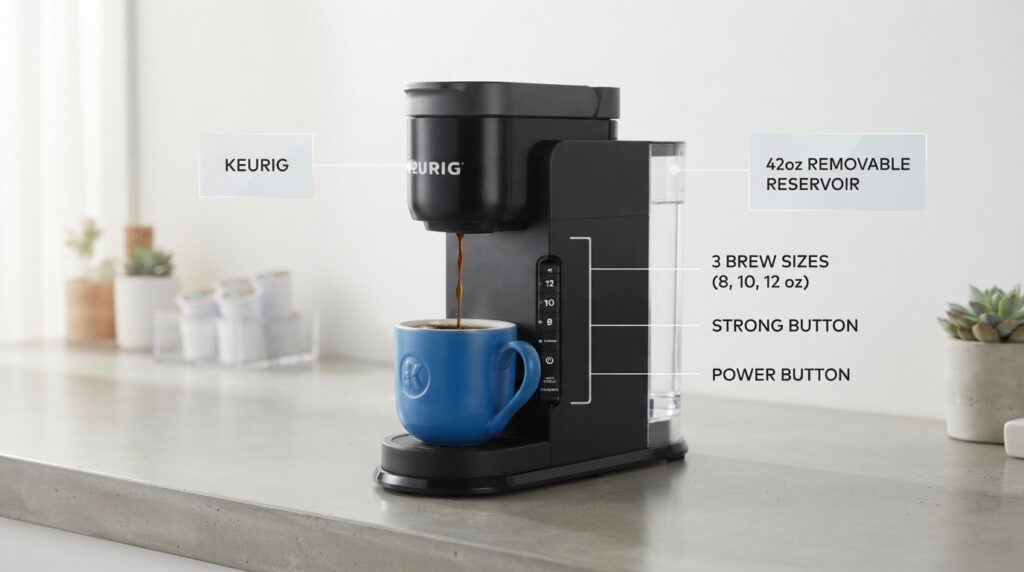
Most compact single-serve machines offer multiple cup size options, typically ranging from smaller concentrated cups to larger travel mug-sized servings. The Keurig K-Express model, for instance, provides three distinct brew size settings. This flexibility accommodates different consumption preferences—someone might prefer a smaller, more concentrated morning coffee while choosing a larger size for afternoon brewing or when hosting.
The ability to adjust brew size affects both the concentration of the final cup and the total brewing time. Larger brew sizes require more water to pass through the ground coffee or pod, which can result in a slightly lighter flavor profile compared to smaller servings from the same pod. This is a basic principle of coffee extraction: more water through the same amount of grounds creates more dilute coffee.
Having multiple size options means a single machine can serve different purposes throughout the day or accommodate different household members’ preferences without requiring multiple machines.
Reservoir Capacity
The water reservoir represents a practical consideration that affects how frequently users need to refill. A larger reservoir means fewer refilling interruptions and better suited for situations where multiple consecutive servings are brewed. The K-Express includes a 42-ounce removable reservoir, which represents a moderate capacity—roughly equivalent to a standard large coffee pot, but not so large that storage becomes problematic for smaller kitchens.
Removable reservoirs offer practical advantages. They can be cleaned more thoroughly than fixed water tanks, and their portability makes refilling easier for some users. For households with hard water, the ability to remove the reservoir facilitates descaling—an important maintenance task that extends the machine’s operational lifespan.
Strong Brew Function
Some single-serve machines include a “strong” or “extra strength” brewing setting that adjusts brewing parameters to create a more concentrated cup. This feature works by either extending the contact time between water and grounds or reducing the water volume for a given pod. The effect is a bolder flavor profile that some coffee drinkers prefer, particularly for their first morning cup.
The strong setting provides an alternative to purchasing multiple different pod varieties. Rather than buying both regular and strong versions, users can adjust their brew strength using the same pods. This can represent a practical middle ground for households with varying preferences.
How Single-Serve Systems Function
Understanding the basic mechanics of single-serve brewing helps clarify why these machines work the way they do and what to realistically expect from the brewing process.
The fundamental operation is straightforward: hot water passes through ground coffee (contained within a pod or filter) and drips into a cup or mug. The water temperature and contact time with grounds determine extraction—how many desirable compounds dissolve from the coffee into the water.
Single-serve machines accomplish this through automation. The user inserts a pod, selects brew parameters, and the machine heats water to appropriate temperatures and controls water flow. This removes variables that manual brewing requires users to manage, making the process more consistent and requiring less skill or attention.
The pod system—small sealed containers of ground coffee—offers convenience because they’re pre-portioned and eliminate the need to measure or handle loose grounds. They also reduce cleanup compared to traditional drip coffee makers using ground coffee. However, this convenience carries considerations regarding packaging waste and cost per serving that vary based on individual circumstances and values.
Practical Applications and Daily Use Scenarios
Single-serve machines function differently in various living situations, and understanding these contexts helps clarify whether this technology aligns with someone’s actual coffee consumption patterns.
The Morning Rush Scenario
For individuals with limited time in the morning, single-serve machines deliver value through speed and simplicity. Inserting a pod and pressing a button requires minimal cognitive effort when someone is groggy or preoccupied. The brevity of the brewing cycle—typically three to five minutes—fits into rushed morning routines more readily than grinding beans, measuring grounds, and monitoring a traditional drip system.
This scenario particularly benefits from having a machine that can produce coffee while someone attends to other morning tasks. The combination of quick brewing and reservoir capacity that accommodates multiple consecutive servings makes it practical for households where family members stagger their departures.
Remote Work and Home-Based Routines
People working from home often appreciate the convenience of brewing a fresh cup without leaving their workspace or investing significant time in coffee preparation. The ability to brew on demand, combined with quick completion times, suits the flexible schedule that remote work often provides. Some individuals brew multiple cups throughout the day, making the convenience factor more significant.
Small Living Spaces
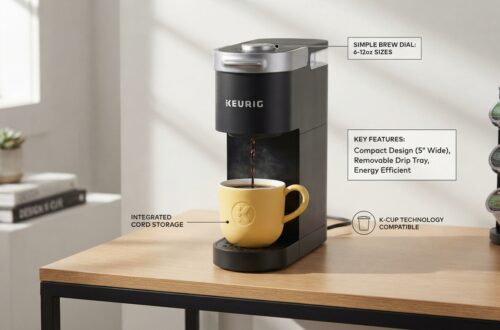
Apartments, dorm rooms, and other compact living situations present practical constraints. Single-serve machines generally occupy less counter space than traditional drip systems, and their streamlined design can fit into tight kitchens more readily. This makes them practical choices for people where space is at a premium.
Hosting and Varied Preferences
Households with multiple inhabitants often contain people with different coffee preferences—some prefer dark roasts, others enjoy lighter profiles, some drink decaf while others prioritize caffeine content. Single-serve systems accommodate this variety without requiring pre-preparation or extensive inventory. Each person can select their preferred pod and brewing strength, making it easier to offer coffee to houseguests as well.
Who This Category of Machine May Be Suitable For
Different people prioritize different aspects of coffee preparation, and single-serve machines align particularly well with certain preferences and circumstances.
Individuals with unpredictable schedules benefit from the flexibility to brew a single cup whenever caffeine is needed, without producing surplus coffee. This includes people whose work schedules fluctuate, those who travel frequently, and parents managing variable household rhythms.
People who value simplicity in their morning routine appreciate that single-serve brewing removes complexity. No measuring, timing, filter management, or cleanup beyond disposing of the used pod. For those who see coffee preparation as a functional necessity rather than a hobby, this streamlined approach aligns with their priorities.
Households with diverse taste preferences find that single-serve systems accommodate multiple flavor profiles without extensive inventory management. Someone can keep a selection of pods representing different roast levels, origins, and flavors, letting each household member choose according to their preference.
Those with limited counter space recognize that these machines occupy significantly less footprint than full-sized drip systems. For city apartments, small kitchens, or shared living situations, this practical consideration matters.
People sensitive to stale coffee avoid the issue altogether. Since each serving is individually brewed on demand, the situation of coffee sitting in a carafe for hours simply doesn’t occur. The coffee consumed is always freshly brewed.
Individuals managing dietary preferences within a household can easily accommodate caffeine-free preferences (through decaf pods), dairy-free preferences (by preparing drinks at the cup rather than in a communal pot), and other individualized requirements without complication.
Important Considerations and Practical Realities
While single-serve systems offer genuine conveniences, understanding their tradeoffs helps set realistic expectations.
Environmental Impact
The pod-based system generates packaging waste with every serving. Each pod is a small container that becomes trash after use. For environmentally conscious consumers, this represents a significant consideration. Some people mitigate this by purchasing reusable pod alternatives that can be filled with personal grounds, though this reduces the convenience factor that makes single-serve systems appealing to many users. Understanding one’s personal tolerance for packaging waste is important when choosing this brewing method.
Cost Considerations
Single-serve pods generally cost more per serving than traditional drip coffee makers using bulk grounds. The convenience carries a price premium. For households that consume large quantities of coffee, these costs accumulate. People who brew coffee infrequently might not notice the difference, while heavy coffee drinkers should calculate whether the cost aligns with their budget.
Flavor Profile Expectations
Single-serve machines produce different results than other brewing methods. The brewing time and water contact might result in flavor characteristics different from French press, pour-over, or espresso-based drinks. Some coffee enthusiasts find single-serve coffee acceptable but less satisfying than their preferred brewing method. For people who focus primarily on caffeine delivery and convenience, this distinction matters less.
Maintenance Requirements
Despite their simplicity, these machines require periodic maintenance. Water deposits accumulate in heating elements over time, potentially affecting performance and flavor. Descaling—running a special solution through the machine—removes these deposits and should occur regularly, typically every three to six months depending on local water hardness. The removable reservoir on models like the K-Express facilitates this maintenance.
Additionally, users should follow manufacturer recommendations regarding cleaning and daily maintenance to keep the system functioning optimally. This isn’t particularly demanding, but it’s not completely maintenance-free either.
Machine Reliability and Lifespan
Single-serve machines, like all appliances, experience varying reliability. Some machines function reliably for years with minimal issues, while others encounter problems sooner. The relatively low cost of entry means that if a machine fails, replacement is often more practical than repair. This economic model differs from higher-end machines where repair investment makes sense.
Comparing Single-Serve Brewing to Alternative Methods
Understanding how single-serve systems compare to other coffee preparation approaches helps clarify whether this method suits someone’s actual preferences and circumstances.
Traditional Drip Coffee Makers
Drip machines brew multiple cups simultaneously, producing coffee more economically per serving and occupying a straightforward place in traditional coffee culture. They produce larger volumes suitable for people who consume multiple cups sequentially. The tradeoff is that leftover coffee sits in a carafe, potentially becoming stale. Drip makers also require filter purchase and grounds disposal management. For large households with consistent consumption patterns, drip machines often prove more practical and economical.
French Press Brewing
French press creates coffee through immersion—grounds steep in hot water before separation through a mesh filter. This method produces a heavier-bodied cup than drip systems. It requires active participation in timing and technique, offering engagement for people who view coffee preparation as part of the ritual. Cost per serving is low, and there’s minimal packaging waste. The method doesn’t suit people seeking convenience or consistency, but appeals to those who prioritize flavor exploration.
Pour-Over Systems
Manual pour-over—whether using Chemex, V60, or Melitta-style drippers—requires skill and attention to variables like water temperature, pour rate, and timing. These methods appeal to people who enjoy the meditative process of deliberate coffee preparation. They produce excellent coffee in the hands of someone who develops competence with the method. They’re impractical for rushed mornings or hands-off brewing while attention is directed elsewhere.
Espresso and Espresso-Based Machines
Espresso machines, whether manual or automatic, operate on different principles and produce concentrated coffee shots used as the base for beverages like cappuccinos and lattes. They require skill, maintenance, and significantly higher financial investment. For people passionate about espresso-based drinks, this investment is worthwhile. For people simply seeking convenient morning coffee, espresso machines add unnecessary complexity.
Instant Coffee
Instant coffee represents the ultimate convenience—just add hot water. Modern instant coffee has improved significantly from earlier products, though it still carries a different flavor profile than freshly brewed alternatives. It produces no machine-related waste and requires no equipment. For people prioritizing pure simplicity and practicality, instant coffee sometimes overshadows single-serve machines entirely.
Single-serve machines occupy a middle ground—more convenient than manual brewing methods, but requiring machines and producing ongoing packaging. They’re faster than French press or pour-over but less ritualistic. They’re less expensive than espresso machines but more expensive per serving than bulk drip or instant options.
Practical Features Worth Understanding
Beyond the headline capabilities, certain specific features merit explanation for practical clarity.
Brew Temperature and Timing
Modern single-serve machines heat water to optimal coffee extraction temperatures—typically between 195 and 205 degrees Fahrenheit. This heating happens automatically before brewing begins. The machine controls contact time based on the selected brew size, adjusting how much time water spends in contact with grounds. These variables, handled automatically, are important because they significantly affect the final cup quality. Understanding that the machine is managing these factors helps explain why results are relatively consistent across brewing cycles.
Pod Compatibility
Different brands manufacture pods with varying designs. While some single-serve machines work with proprietary pods exclusively, others accept universal pod designs. The Keurig system, for instance, works with numerous brands of K-Cup compatible pods. This flexibility expands the range of coffee varieties available to users—different roast levels, origins, and flavor profiles become accessible without requiring a proprietary loyalty ecosystem. This represents a practical consideration for people who appreciate variety in their coffee selection.
Water Reservoir Removability
Being able to remove the reservoir for cleaning represents a practical advantage for maintenance. It allows thorough rinsing and easier descaling processes. Some machines feature fixed reservoirs that require different cleaning approaches. For people who value straightforward maintenance or who live in areas with hard water requiring frequent descaling, removable reservoirs simplify upkeep.
Size and Footprint
The physical dimensions of a machine matter when counter space is limited. Compact single-serve models generally occupy significantly less space than traditional coffee makers, though larger machines with substantial reservoirs naturally require more room than truly minimal designs. Understanding a specific machine’s dimensions helps ensure it fits within intended kitchen space.
Frequently Asked Questions About Single-Serve Systems
Questions commonly arise when people consider whether single-serve brewing aligns with their coffee consumption habits.
How long does a single-serve machine typically last?
The operational lifespan varies considerably based on usage frequency, water quality, and maintenance consistency. Machines might function reliably for five to seven years with regular use and proper maintenance, though some fail sooner and others continue longer. The low cost of these machines means replacement is often more practical than repair when failure occurs. This contrasts with higher-end equipment where repair investment makes economic sense.
Can you use regular ground coffee instead of pods?
Many single-serve machines accept universal reusable filters that can be filled with personal ground coffee, providing an alternative to pods. This option reduces packaging waste and potentially lowers cost per serving. However, it also reduces convenience since it requires measuring, grinding, and cleanup similar to traditional methods. Some people appreciate this hybrid approach; others find it defeats the purpose of owning a single-serve machine.
How much does it cost to run compared to other brewing methods?
Cost per serving depends on pod pricing, which varies based on brand and where purchased. Generally, single-serve pods cost more than bulk grounds for drip systems, but less than premium specialty coffee. For occasional drinkers, the difference might be negligible. For heavy daily consumption, the cumulative cost difference becomes significant. Calculating based on personal consumption patterns provides a clearer picture than general comparisons.
What water should be used in the reservoir?
Tap water is generally acceptable for single-serve machines, though water quality affects both coffee taste and machine longevity. In areas with hard water, mineral deposits accumulate faster and may require more frequent descaling. Some people use filtered water to mitigate this, while others accept the descaling maintenance requirement. Distilled water is sometimes recommended for descaling specifically, while tap or filtered water is fine for daily use.
Do these machines produce coffee as good as other brewing methods?
“Quality” in coffee is subjective and influenced by bean origin, roasting level, freshness, and the drinker’s personal preferences. Single-serve machines produce acceptable coffee for many people—functionally caffeinated and drinkable. Compared to carefully executed pour-over or French press, they might lack complexity. Compared to stale coffee from an old pot, they excel. The context of use matters more than any absolute quality measure.
How often should the machine be cleaned?
Routine daily maintenance is minimal—typically just rinsing the water reservoir and ensuring pod remnants are disposed of. Deeper cleaning, including descaling the internal heating system, should occur every three to six months depending on water hardness. Manufacturer recommendations provide specific guidance. Proper maintenance extends machine lifespan and maintains consistent brewing quality.
Are there significant differences between different single-serve machines?
Yes, variations exist in brewing speed, water reservoir capacity, brew size options, special features, and build quality. Some machines prioritize minimal footprint, others emphasize fast brewing speed, some focus on offering numerous customization options. Evaluating individual needs and preferences against specific machine features helps identify which model serves those needs best.
What’s the environmental impact of using pods?
Each pod generates packaging waste. Some pods are designed for recycling, though recycling infrastructure varies by location. Compostable pod options exist but remain more expensive. Reusable pod alternatives eliminate ongoing packaging but require more manual involvement. The environmental impact ultimately reflects personal values and whether convenience outweighs packaging concerns from an individual perspective.
Conclusion
Single-serve coffee machines represent one approach among several viable options for home coffee preparation. They excel at delivering convenience, accommodating varied preferences within households, and producing fresh coffee on demand. They work particularly well for people whose primary goal is straightforward caffeine delivery combined with minimal morning complexity.
The specific considerations—reservoir capacity, brew size options, strong brew features, and maintenance requirements—matter in the context of how someone actually uses the machine daily. A feature that sounds appealing in product descriptions might prove irrelevant to how coffee is consumed in practice, or conversely, a seemingly minor capability might address an actual daily frustration.
Understanding both the genuine conveniences these machines provide and their legitimate tradeoffs—cost per serving, packaging waste, ongoing maintenance, and flavor characteristics that differ from other brewing methods—enables more informed decision-making. Single-serve brewing isn’t universally superior to all alternatives, nor is it universally inferior. It’s a different approach with different strengths and limitations.
For people evaluating whether this brewing method aligns with their circumstances, the best decision emerges from honest assessment of actual coffee consumption habits, space constraints, environmental values, and whether the convenience factor justifies the cost and packaging aspects.